Safety
Safety on the roof.
General contractors ask about safety before price. Here is what a roofing safety program covers. We publish only what we can document.
The program
What a roofing safety program covers.
Fall protection
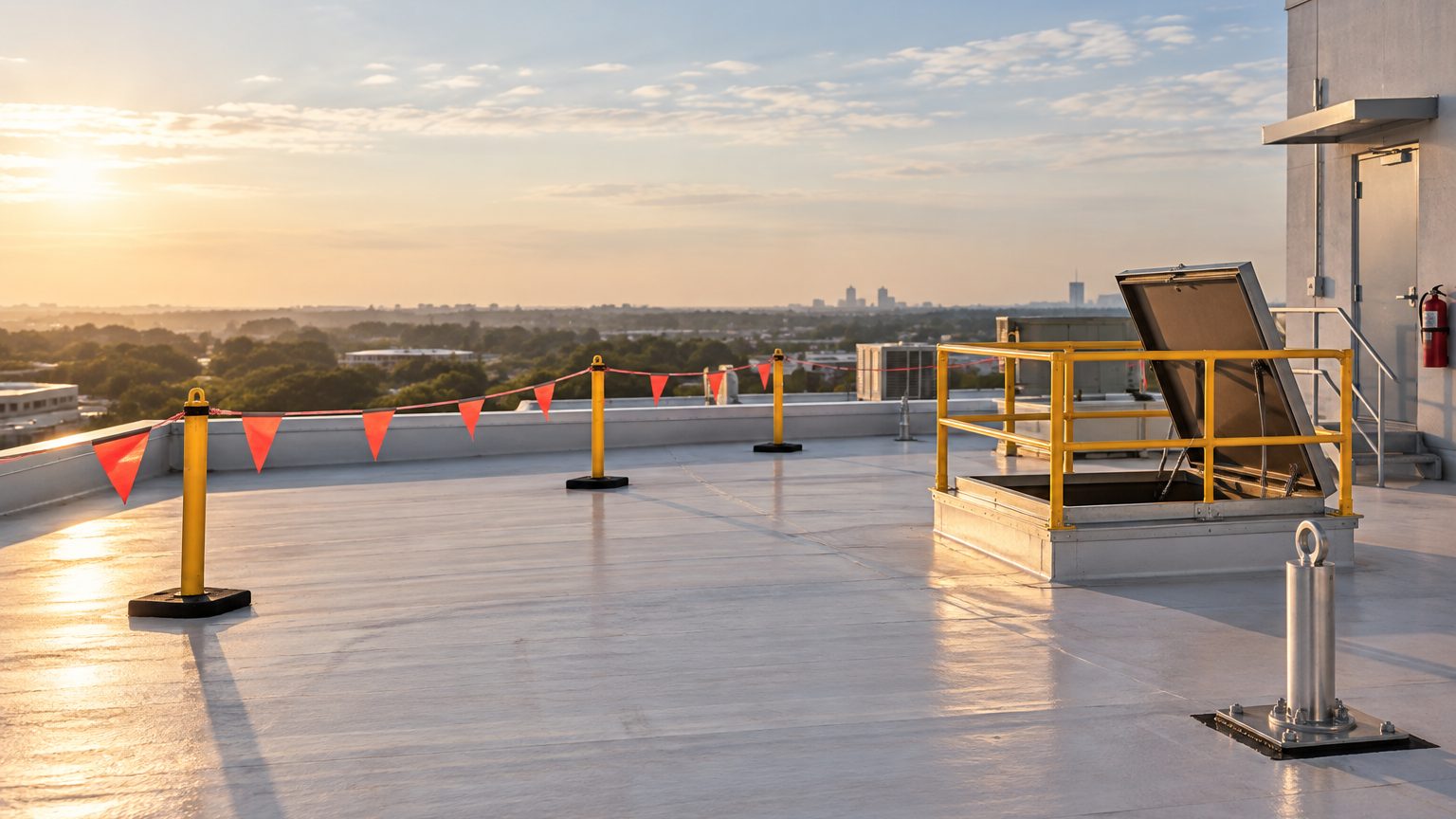
Guardrails, safety nets, personal fall arrest and, on qualifying low-slope work, warning lines combined with another OSHA-permitted system. Roof edges, skylights and openings are the hazards that matter most (OSHA 29 CFR 1926 Subpart M).
Heat
North Texas summer work needs a heat plan: water, rest breaks, shade and a ramp-up for new workers. Early starts are normal.
Hot work
Torch-applied bitumen and welding on metal need fire watches and extinguishers.
Material handling
Cranes, lifts and hoists, and clear drop zones on the ground.
Site coordination
Daily meetings with the GC, and a plan for other trades under or beside the roof.
Training and records
Orientation for every worker, toolbox talks, incident reporting.
On the roof
Where roofs are hazardous.
-
01
42in
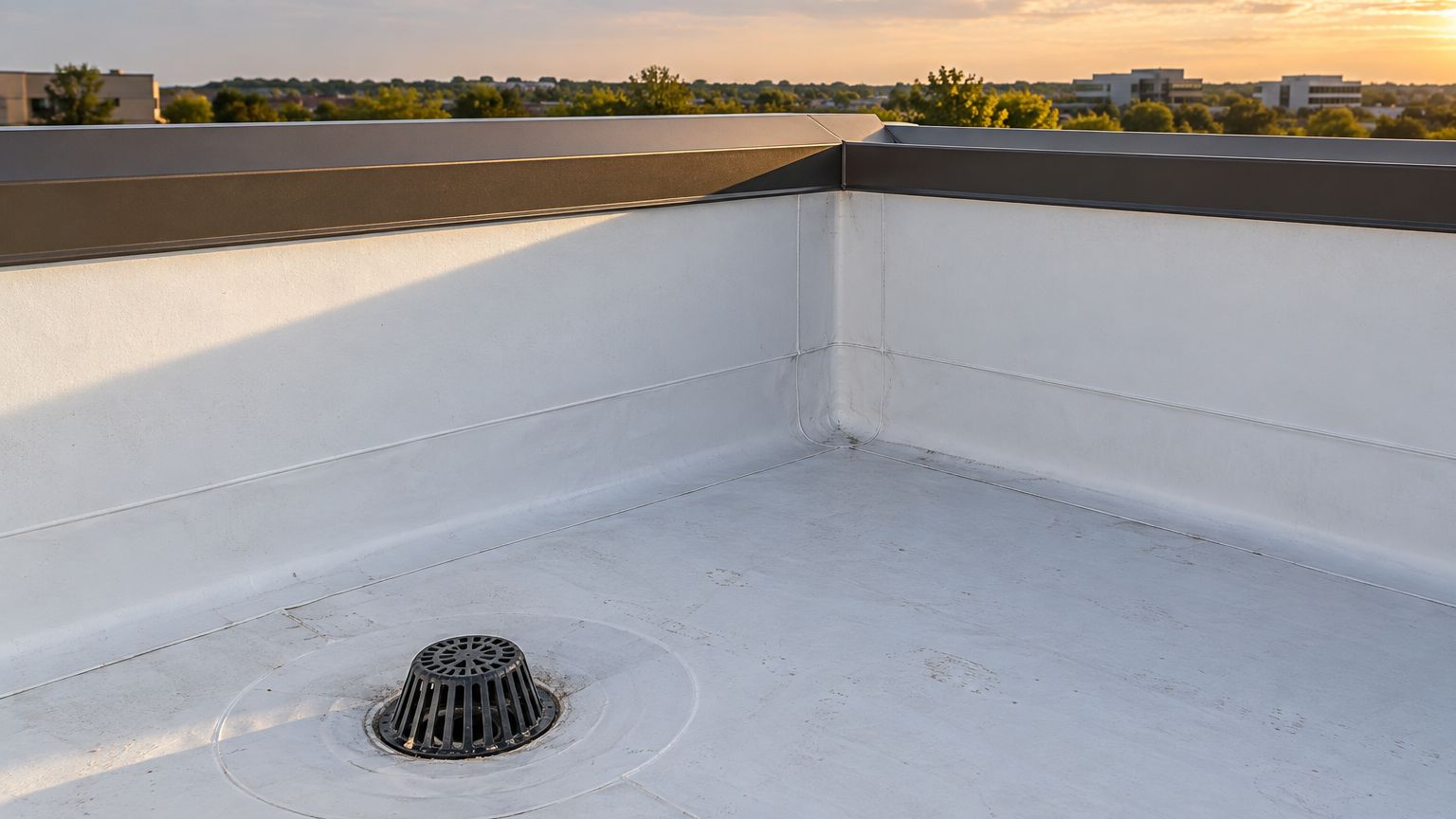
Roof edges and parapets
OSHA sets the top rail of a guardrail at 42 inches above the walking surface, plus or minus 3.
29 CFR 1926.502(b)
-
02
2x
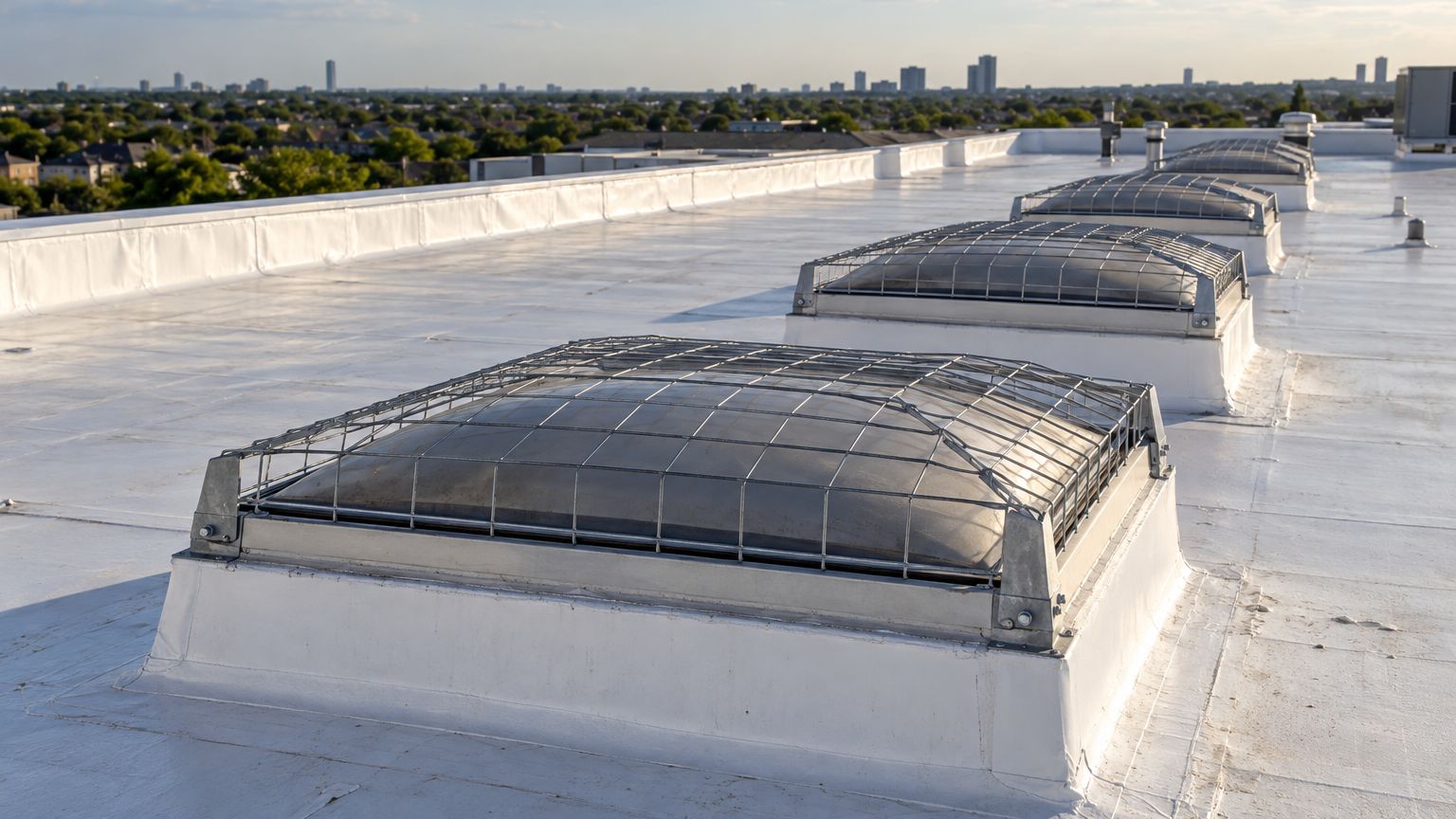
Skylights and openings
A skylight or hole cover must hold at least twice the load that can be placed on it.
29 CFR 1926.502(i)
-
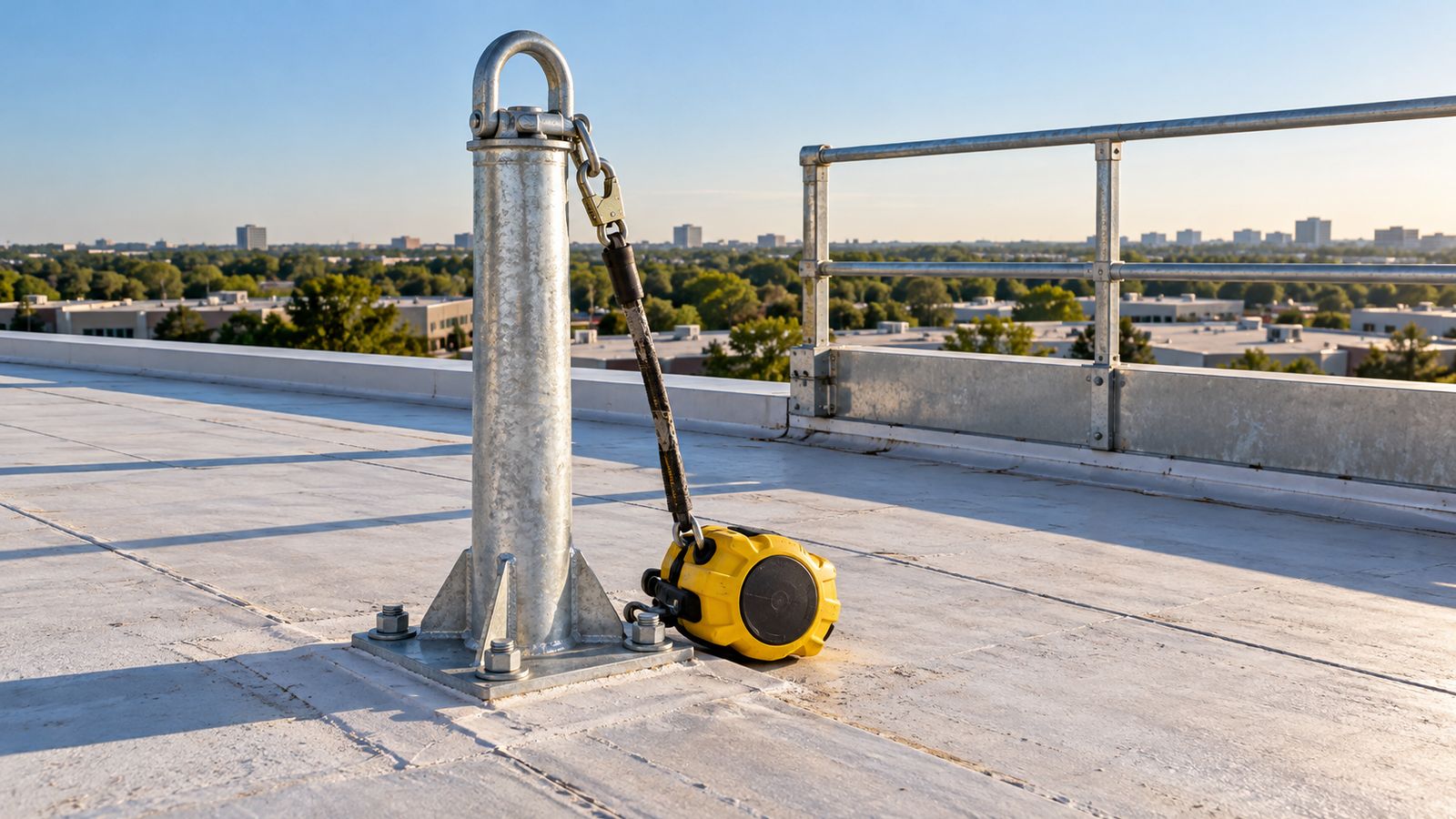
03
5,000lb
Anchors and lifelines
An anchor for personal fall arrest must hold 5,000 pounds per worker tied off, or be designed by a qualified person to twice the load.
29 CFR 1926.502(d)
Daily work
How it shows up every day.
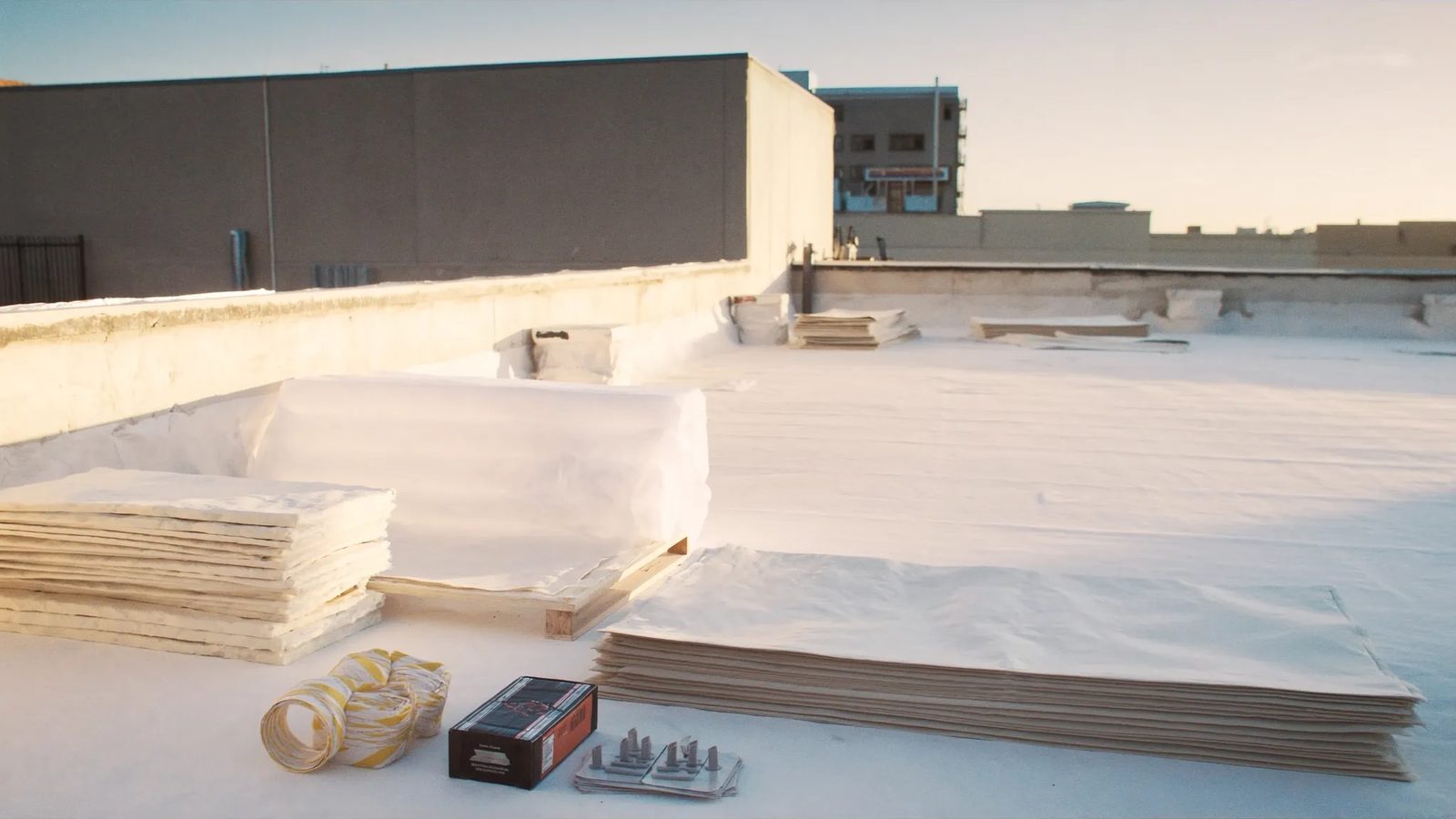
Daily field reports record crew present, hours, work areas, equipment, weather, inspections, delays and incidents. The next day's plan goes in the same report. Photos cover every area that will be hidden by the next layer.
Report a concern
See something unsafe?
If you see something unsafe on one of our jobs, call (214) 960-5598.
Need our safety documents for a prequalification?
Tell us what your package asks for and we'll reply with what we can send.