Leaks and storm damage, on commercial roofs and homes.
Where roofs leak
Usually at the details, not the field.
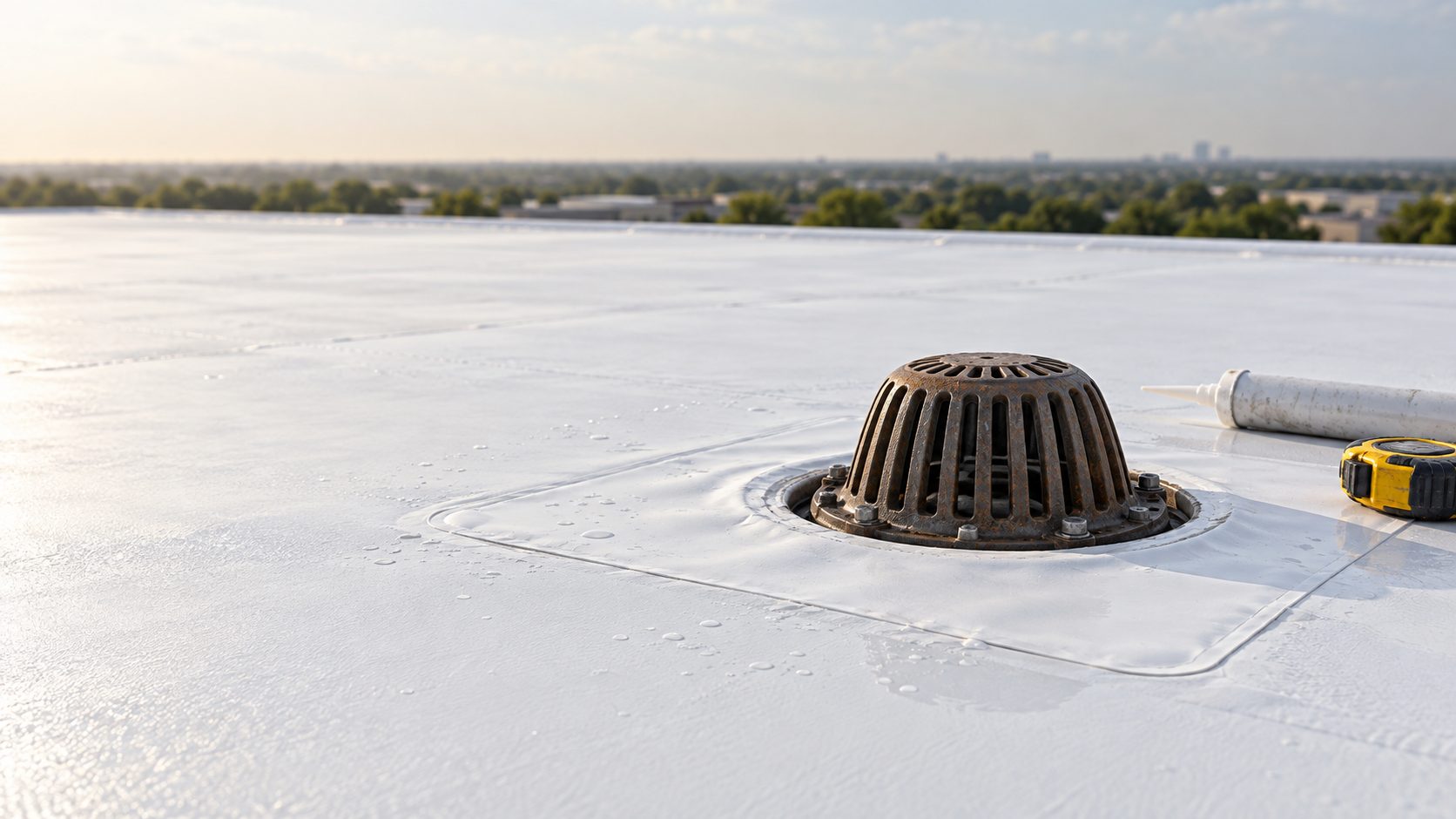
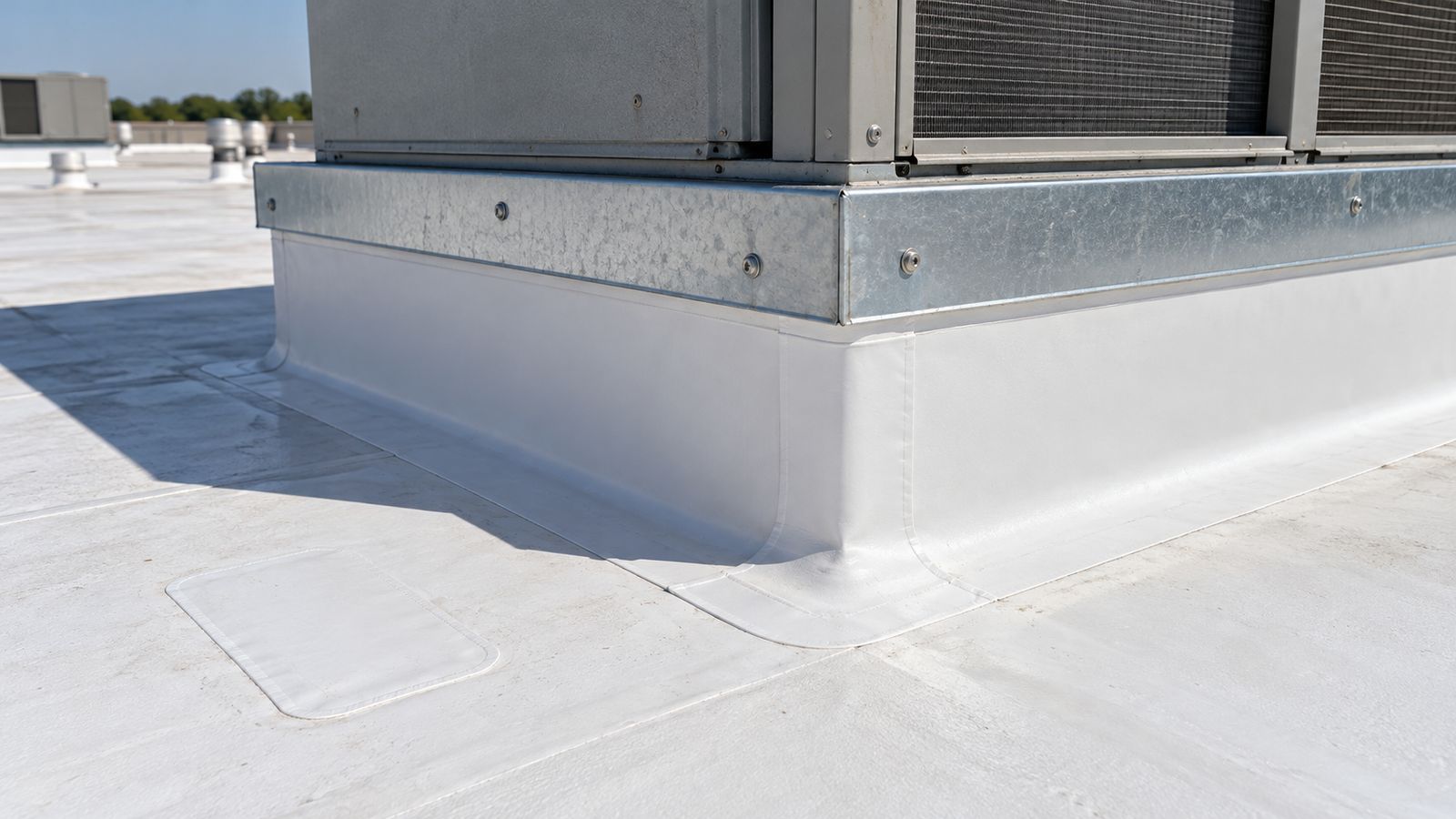
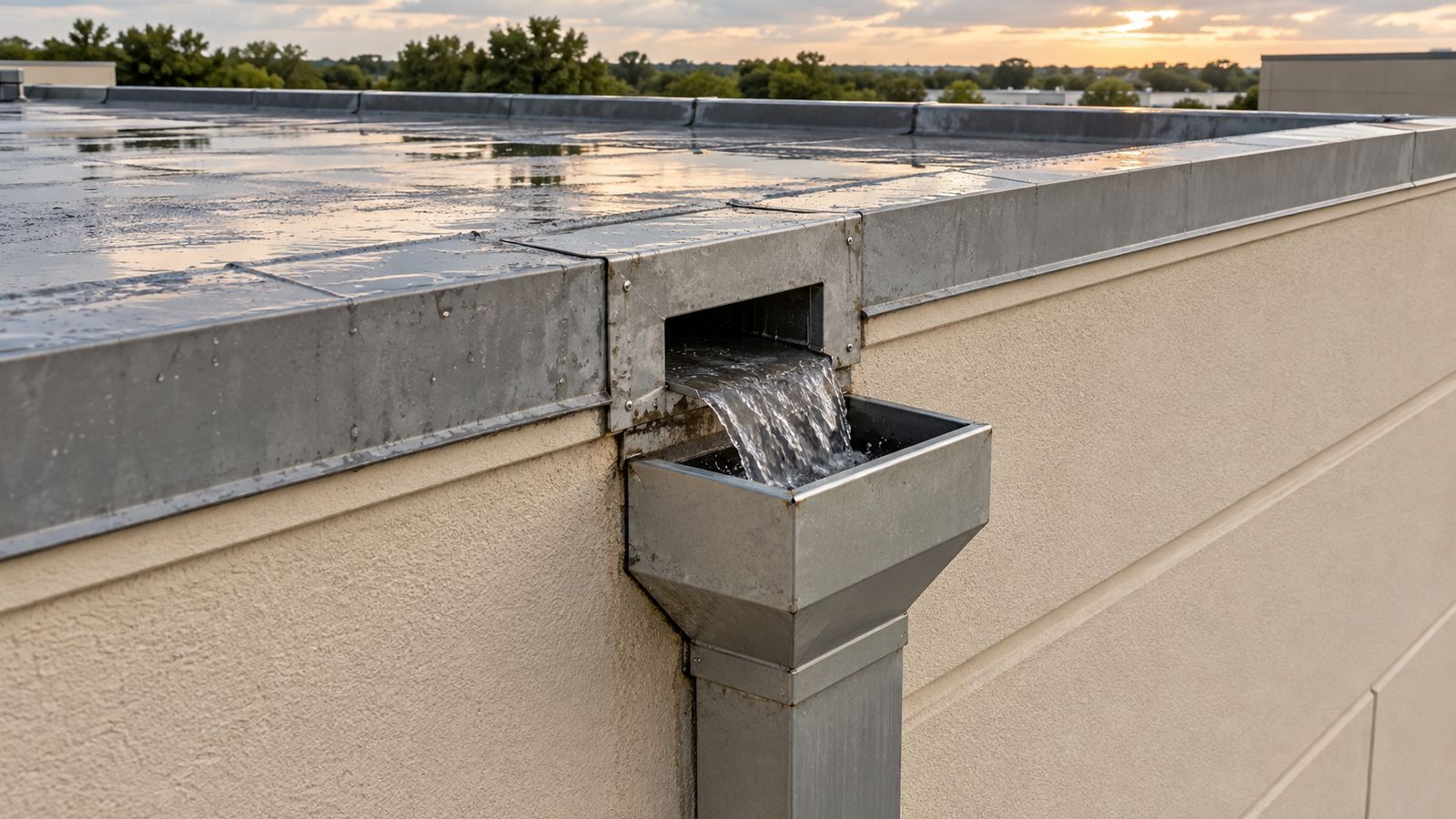
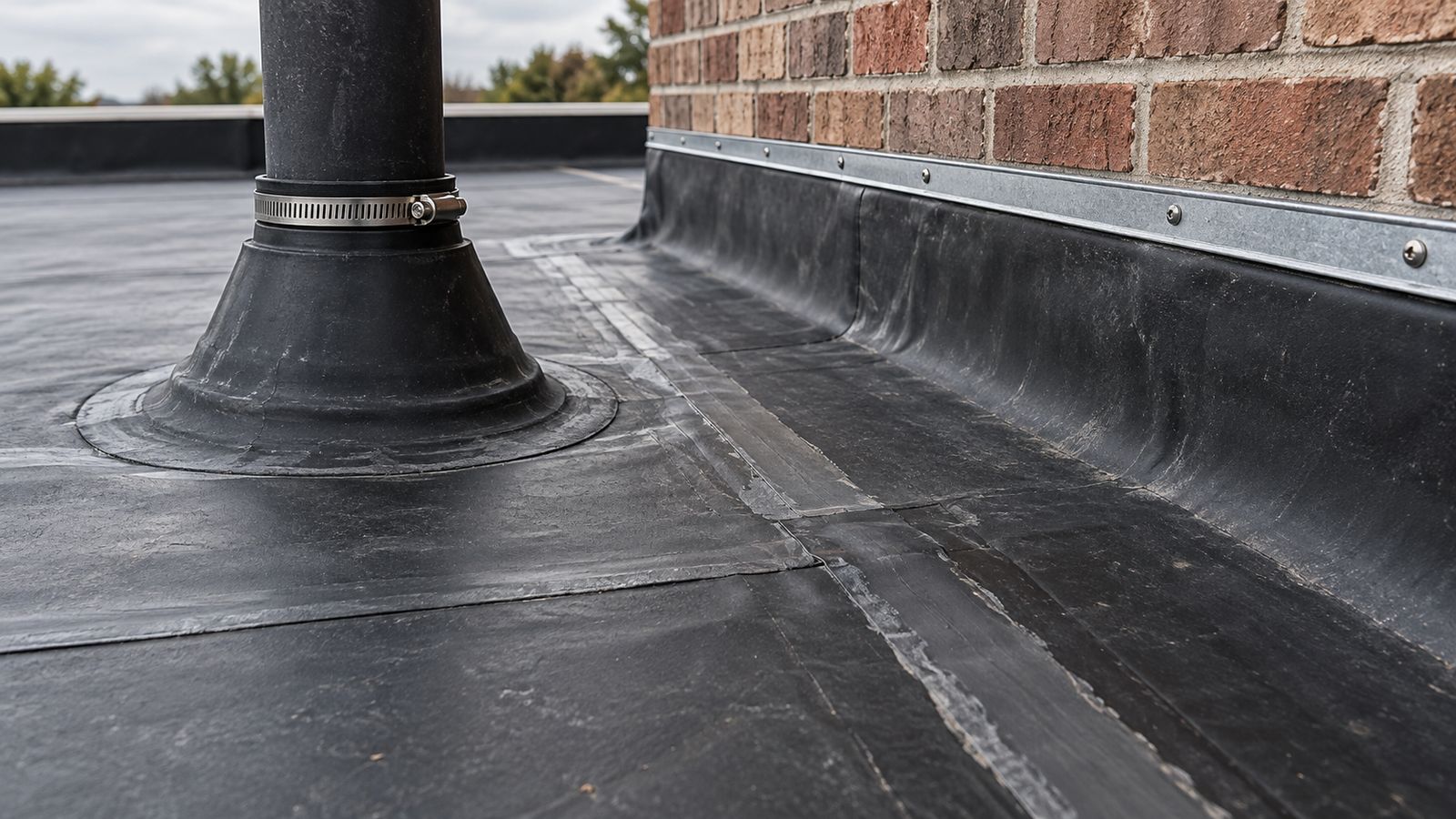
Most leaks start where the membrane stops or turns: curbs around rooftop units, pipe penetrations, parapet walls, edge metal, drains and scuppers. Open seams, punctures from foot traffic and dropped tools, and hail damage are next.
A good repair finds the source, which is often feet away from the stain on the ceiling. Water travels along the deck and the insulation before it drips.
How we work
Every roof starts as a bid.
01
From your drawings
Roof plans, details, mechanical sheets and the Division 07 spec.
02
Measured to scale
Quantities checked against a known dimension before they count.
03
Priced line by line
Each line from our own unit-cost database, alternates on their own.
04
Signed off
An estimator approves every proposal before it goes out.
Most leaks start at curbs, edges and penetrations.
What we do
Find the leak, then show you the fix.
Walk the roof and the interior where the leak shows
Check flashing, seams, drains and penetrations near the source
Repair with materials that match the existing system, welded, taped or set to its manufacturer's method
Photograph the problem and the finished repair
Tell you plainly whether the roof needs more than a repair
Wet insulation does not dry out under a membrane. If a repair area is wet, the wet board is cut out and replaced, or the roof is a candidate for re-roof.
In the field
Where we look first
01
Drains and scuppers
02
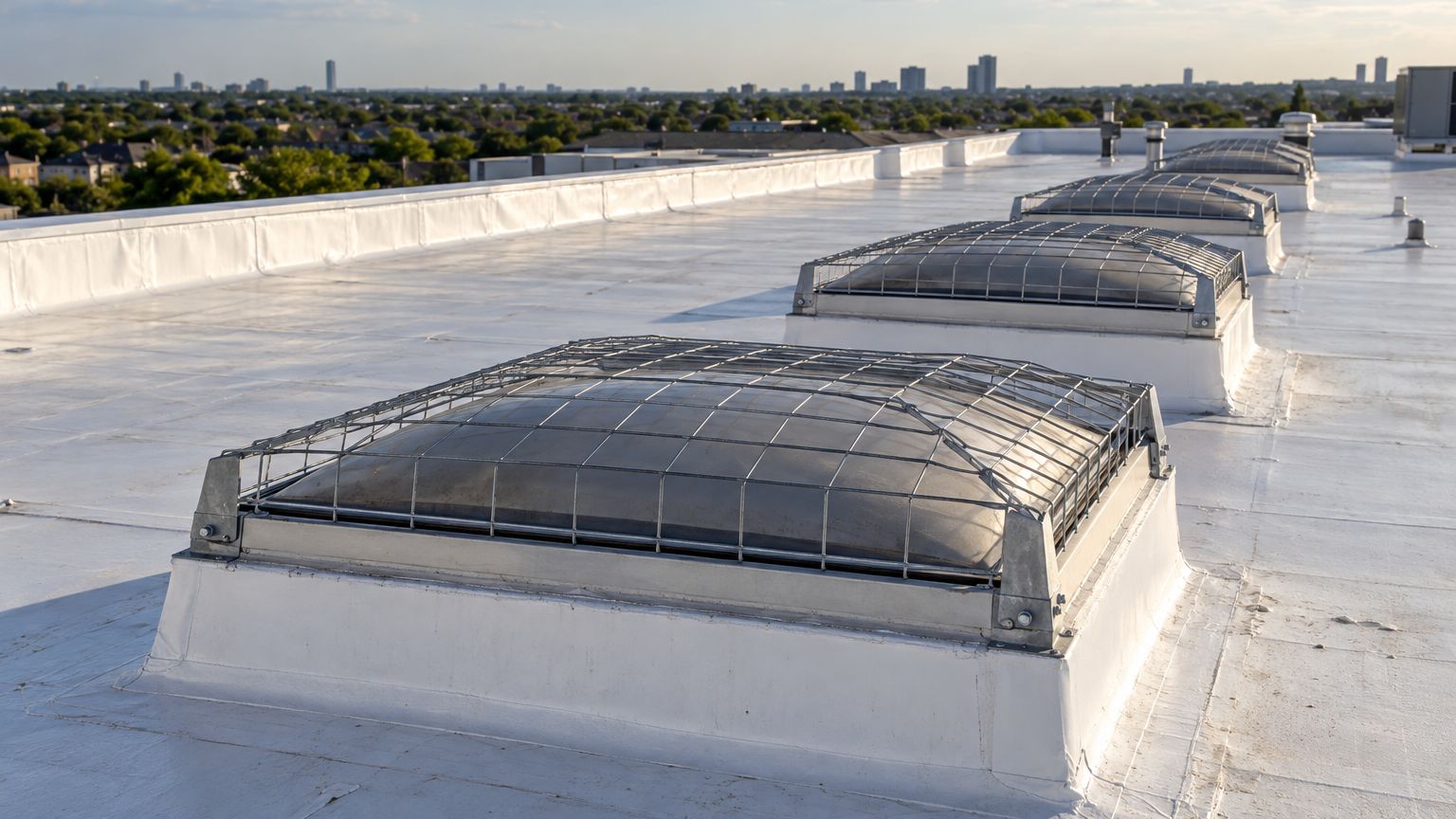
Curbs and skylights
03
Pipe boots and seams
After a storm
Hail and wind damage.
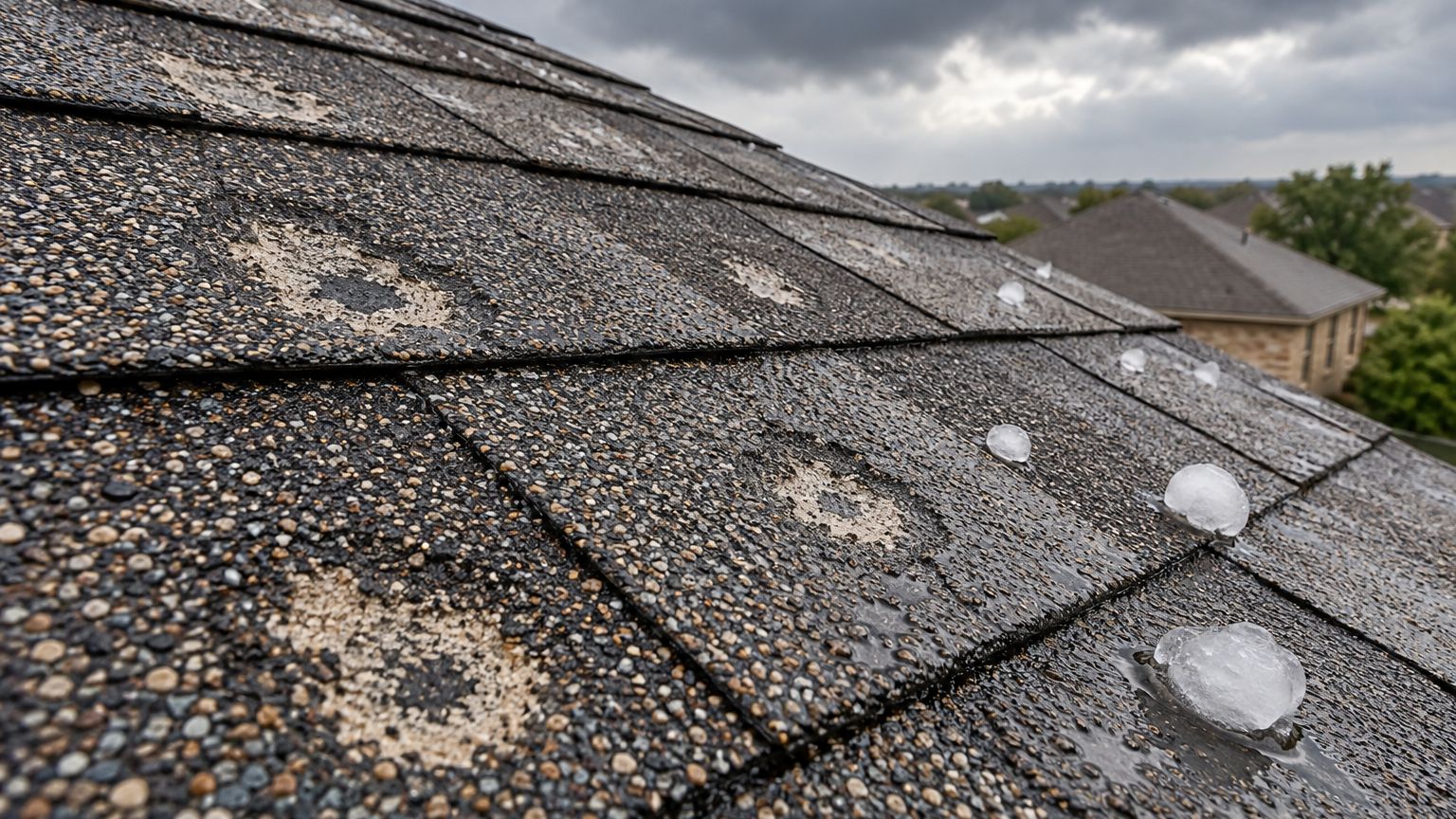
After a hailstorm, look for bruised or cracked membrane, dented metal, damaged rooftop unit fins and granules collecting at downspouts. Wind lifts edges and peels flashing at corners first. Photographs and dates help with an insurance claim. On a home, Texas law does not allow a contractor to waive or rebate your deductible, and we don't.
FAQ
Questions we get.
Can you repair a roof you did not install?
Yes. We repair the same systems we install. Some manufacturer warranties require approved repairs, so tell us if the roof is under warranty.
Is a repair a waste on an old roof?
Not if the roof is otherwise sound and the repair buys time to budget a replacement. We'll say so if it isn't.
Do you handle residential repairs?
Yes, on shingle and metal roofs in Dallas and Greenville. Call us and we'll come look.